
The journal
How to make your perfume last longer
If your fragrance disappears by mid-morning, the bottle is usually not the problem. Skin type, moisturiser, where you spray and how you store it make more difference than most people expect, and all of it is easy to fix.
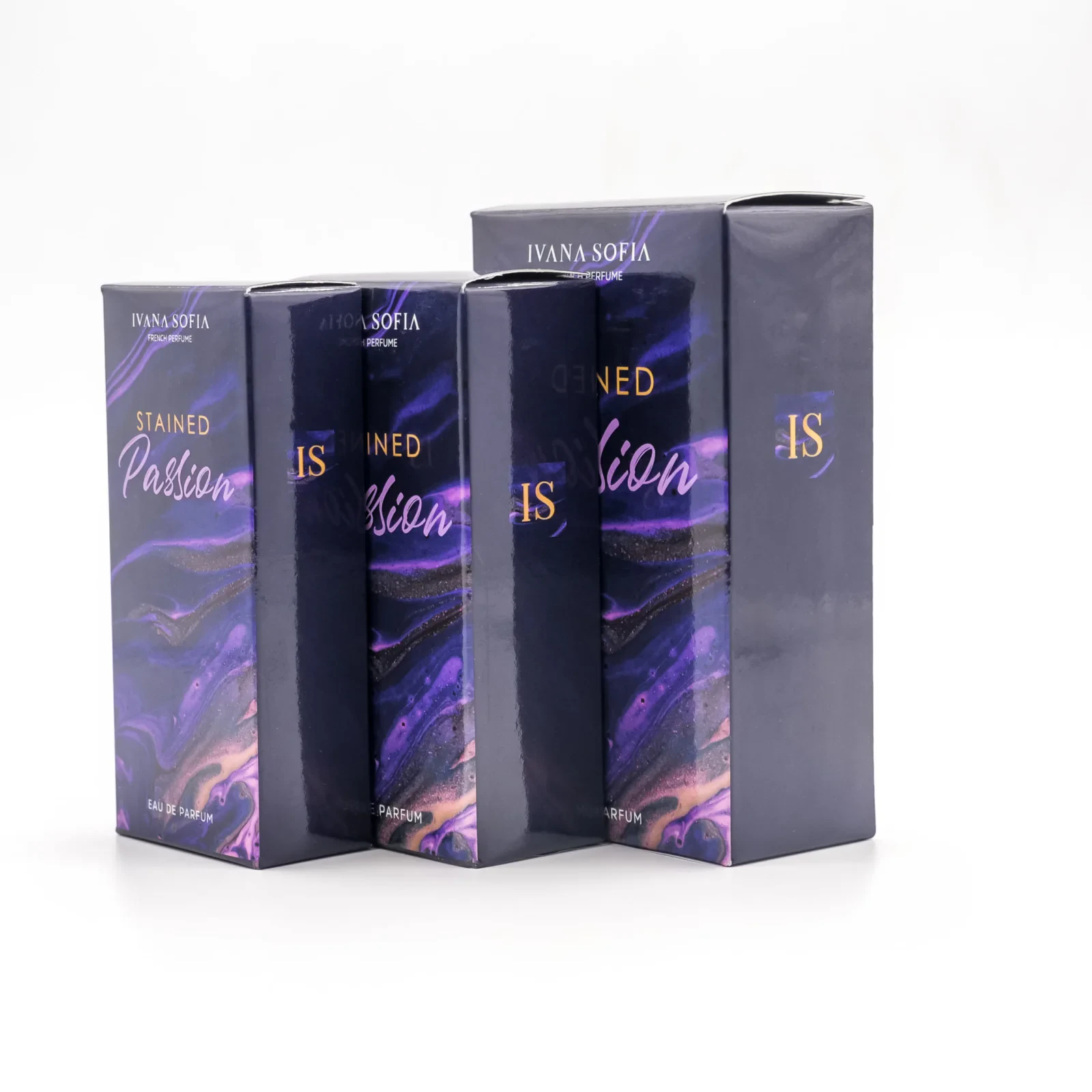
The most common complaint we hear about any fragrance, ours included, is that it fades too quickly. Sometimes that is the composition. Far more often it is the skin it was sprayed on, the way it was applied, or a bottle that has spent two summers on a bathroom windowsill.
Here is what actually makes a difference, roughly in order of how much difference it makes.
Start with your skin
Fragrance needs something to hold onto. Oil holds it, dry skin does not, and this single fact explains most of the difference between two people wearing the same scent.
If your skin is dry, a fragrance can lose half its life. You will smell it strongly for twenty minutes and then lose it, while somebody with oilier skin gets six hours from the same two sprays. Nothing is wrong with the fragrance and nothing is wrong with you.
The fix is simple. Apply an unscented moisturiser to the areas where you spray, let it absorb for a minute, then apply the fragrance. It is the single most effective thing in this article, and most people are surprised by how much it changes.
A thin layer of plain aqueous cream or an unperfumed body lotion works. Avoid anything strongly scented of its own, which will fight with what you are wearing.
Spray onto warm places, and do not rub
Pulse points are the classic advice and the reason behind it is real: blood runs close to the surface there, the skin is warmer, and warmth lifts fragrance off the skin steadily through the day.
The useful ones are the sides of the neck, the inner wrists, the inner elbows, and the chest under a shirt. Behind the ears is warm but oily and close to the nose, so it tends to burn through quickly and overwhelm you rather than anyone else.
Two or three sprays is enough for an eau de parfum. Five is not twice as good, it is simply more.
Do not rub your wrists together after spraying. The friction and the warmth crush the top notes and push the fragrance through its opening faster than it should go. Spray, and leave it alone.
Apply to clothing as well as skin, carefully
Fabric holds fragrance far longer than skin does. A scarf, a jacket lining or the inside of a collar will carry a scent for days.
Two cautions. Test an unseen corner first, because some fragrances mark pale silk and delicate fabrics. And remember that fragrance on fabric does not develop the way it does on skin, since there is no warmth to move it along, so it stays closer to how it smells in the bottle.
Hair holds fragrance beautifully too, but alcohol dries hair out. Spray the mist in the air and walk through it rather than spraying directly.
Timing matters
The best moment to apply fragrance is straight out of a warm shower, on skin that is dry to the touch but still warm, and moisturised. Open pores and warmth give the fragrance a head start.
Getting dressed afterwards is also the right order, because it keeps the fragrance off jewellery and away from freshly ironed shirts.
Layering, done properly
Layering means wearing more than one scented product that agrees with the others. A body lotion under a matching fragrance is the simplest version and it works, because you have given the scent a base to sit on and a second source to come from.
If you do not have a matching lotion, an unscented one is better than a competing one. Layering two different fragrances is a pleasure when it works and a mess when it does not. If you want to try it, keep to two, and choose scents from neighbouring families rather than opposites. Our fragrance wheel shows which families sit next to one another.
Store your bottles properly, which almost nobody does
Heat, light and temperature swings break fragrance down. They degrade the top notes first, which is why an old bottle often smells sharp and sour for the first few minutes and only comes right later.
A bathroom is the worst room in the house for this. It is hot, damp, and the temperature swings every time somebody showers. That windowsill is quietly ruining your collection.
Keep bottles upright, in a cupboard or a drawer, out of direct sunlight, at a steady room temperature. A bedroom cupboard is close to ideal. Leave them in their boxes if you have kept them, since the box is good protection from light.
Do not decant into unknown containers, and try not to leave a spray bottle half empty for years, since the air in the bottle slowly oxidises what is left.
Stored sensibly, an unopened bottle keeps for several years and an opened one for a good two to three.
Expectations, honestly
Eau de parfum is the strongest concentration most of us buy, and everything we make is eau de parfum. Even so, a realistic day is four to eight hours on skin, depending on the composition and on you.
Fragrance families also behave differently. Citrus and light aquatic scents are volatile by nature and will always fade sooner, whatever you do. Orientals, woods and vanilla-heavy compositions stay for hours because the base materials are heavy and slow to evaporate. If long wear matters to you more than anything else, choose from the heavier families rather than fighting the physics of a light one. The shop lets you browse by family.
There is one more thing worth knowing. After about twenty minutes you stop smelling your own fragrance. This is your nose adjusting, not the fragrance disappearing, and it is the reason people over-apply. Before you reach for the bottle again, ask somebody.
The short version
- Moisturise first with something unscented. This matters most.
- Two or three sprays on warm pulse points, and do not rub.
- Put some on fabric, after testing a hidden corner.
- Apply straight after a shower, before dressing.
- Store bottles in a cupboard, never in the bathroom.
- Choose heavier families if longevity is your priority.
- Trust somebody else's nose, not your own, on how strong it is.
More on how fragrance is built, and what the notes on a product page actually mean, in the journal.
Filed under
- how to
- fragrance care
- longevity


