
The journal
How to read a fragrance note pyramid
Top, heart and base are not three different smells in one bottle. They are one fragrance revealing itself at the speed its materials evaporate. Once you understand that, product pages stop being a list of words and start being useful.
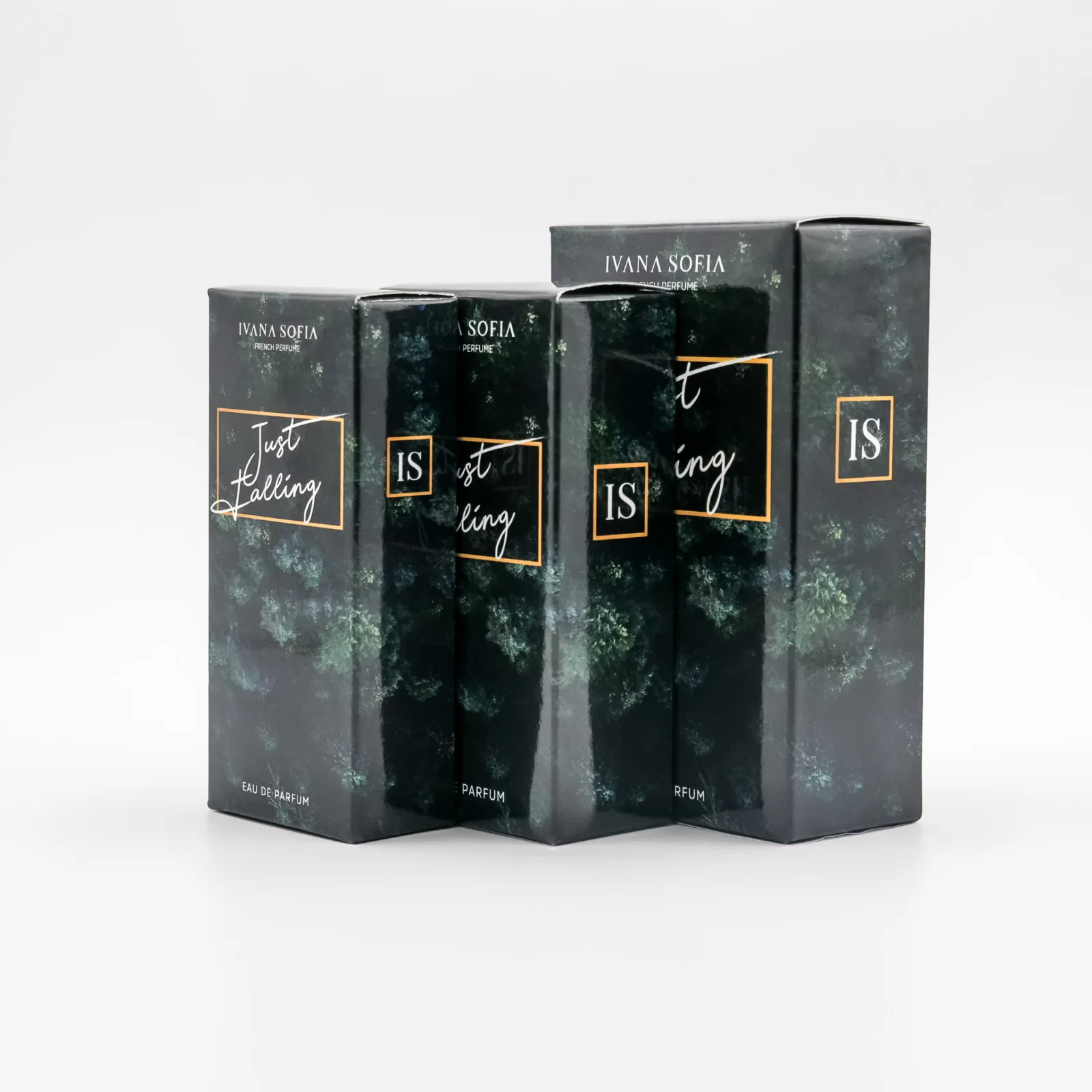
Every fragrance page you read, ours included, lists notes in three groups. Top notes, heart notes, base notes. It looks like a recipe, and a lot of people skim past it because it reads like marketing.
It is not marketing. It is a timeline, and it is the most useful thing on the page once you know how to read it. Ten minutes of understanding here will save you a good deal of money on fragrances you would not have worn.
The pyramid is about time, not layers
The materials in a fragrance evaporate at different speeds. Light molecules lift off your skin quickly, heavy ones cling for hours. Everything in the bottle is mixed together and applied at once, but you smell it in sequence, because the fast materials leave first and the slow ones are still there long after.
So the pyramid is not three separate smells stacked on top of each other. It is one composition, unfolding.
Top notes: the first ten to fifteen minutes
These are the lightest, most volatile materials. Citrus, mint, light green notes, aldehydes, some fresh spices. They are bright and sharp, they make the first impression, and they are gone before you have finished getting dressed.
Top notes are also why smelling a fragrance in a shop tells you almost nothing. You are meeting the part of it you will wear for a quarter of an hour.
Heart notes: roughly half an hour to three hours
The heart is the body of the fragrance and usually its point. Florals live here: rose, jasmine, ylang-ylang, tuberose. So do most spices, fruits and green notes.
This is the part you will actually wear for the bulk of a working day, and it is the part to judge a fragrance on. If you love the opening and dislike the heart, you will not wear the bottle.
Base notes: three hours until it is gone
The heaviest materials, and the slowest. Sandalwood, cedar, vetiver, patchouli, amber, musk, vanilla, tonka, leather, incense.
Base notes do two jobs. They are what remains at the end of the day, the trace on your collar at eleven at night. They also anchor everything above them, slowing the evaporation of the lighter materials and holding the whole composition together. A fragrance with a weak base falls apart quickly, however lovely its opening.
What the pyramid tells you before you buy
Read it from the bottom up. The base tells you what the fragrance becomes, and that is what you live with.
- Heavy base of vanilla, tonka or amber? Expect sweetness, warmth, long wear and a presence in a room. Better in winter and at night.
- Base of vetiver, cedar or dry woods? Expect a dry, restrained finish that lasts without shouting. Usually office-safe and good in heat.
- Musk-dominant base? Soft and skin-like. It will sit close rather than carry, which some people love and others read as weak.
- Citrus-heavy top with a light base? Fresh and pleasant, and short. Buy the small bottle and reapply.
- A heart of white flowers? Tuberose, jasmine and gardenia are rich and can be overwhelming in humidity. Wonderful in a Cape winter evening, harder in a Durban summer.
Why the same fragrance smells different on other people
Skin temperature, oiliness, diet and even the soap you washed with all change how a fragrance unfolds. Warmer, oilier skin pushes a scent forward and holds it longer. Dry skin lets the top notes fly past and can make a base note feel thin.
This is why a fragrance you love on a friend can disappoint on you, and it is the single best argument for testing on your own skin and giving it a full day before you decide anything.
Notes are a description, not an ingredients list
Worth saying plainly. A note is what a fragrance smells of, not necessarily what is in it. There is no strawberry in a strawberry note, and most modern florals are built from a combination of natural and synthetic materials rather than from the flower itself. Some flowers, lily of the valley among them, cannot be extracted at all and exist only as accords built from other things.
None of that is a compromise. It is how perfumery has worked for over a century, and many synthetics are cleaner, more stable and more consistent than the naturals they stand beside. What matters is the quality of the material and the skill of the composition, which is why we are specific about using A-grade French oils and vague about nothing else.
Using the pyramid to find your next fragrance
Once you can read a pyramid, you can use your own history. Look at three fragrances you have loved and find what their bases have in common. Most people discover they have been buying the same base note for years without realising it.
From there, our fragrance wheel shows how the families relate to one another, so you can move one step sideways rather than leaping across the wheel and being disappointed. If you already know a designer fragrance you love, the inspired-by directory will show you ours of the same character, and every product page in the shop lists its full pyramid.
One last practical note. When you test, write down what you smell at ten minutes, at an hour and at the end of the day. It feels fussy the first time and it will teach you more about your own taste than a year of browsing.
Filed under
- fragrance basics
- how to
- notes


