
The journal
Eau de parfum vs eau de toilette: what the difference actually means
The words on a fragrance bottle describe how much perfume oil is in the alcohol, and very little else. Here is what each concentration means for strength, how long it lasts, what it costs, and which one is worth your money.
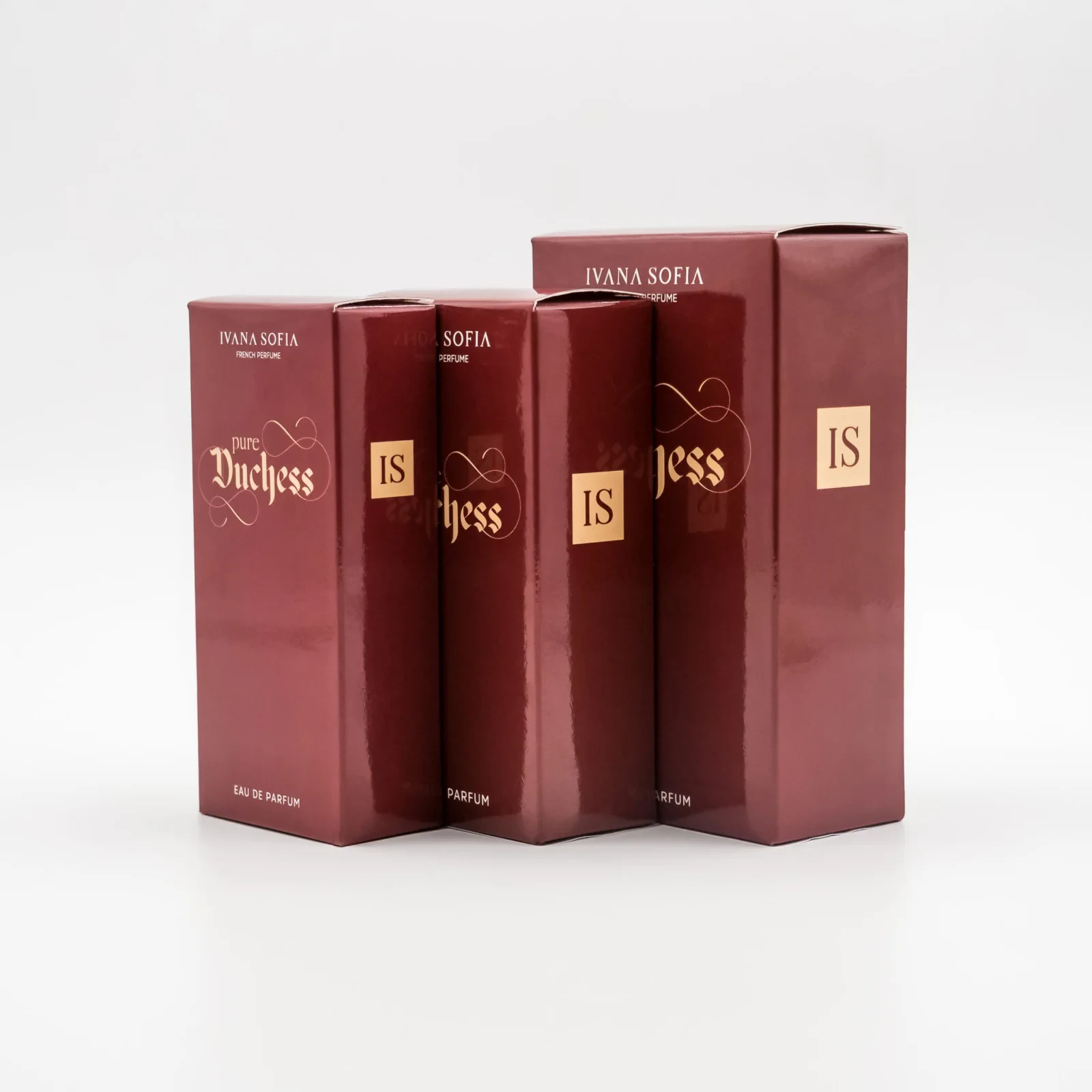
Nearly every fragrance bottle carries one of a handful of phrases: parfum, eau de parfum, eau de toilette, eau de cologne. They look like marketing. They are actually a rough measure of a single thing, which is how much perfume oil is dissolved in the alcohol.
Understanding that one fact makes fragrance shopping considerably easier.
The concentrations, in plain terms
A fragrance is perfume oil dissolved in alcohol, with a little water. The name tells you the approximate ratio.
| Name | Typical oil concentration | What that means in practice |
|---|---|---|
| Parfum, or extrait | Roughly 20 to 30 per cent | Rich, close to the skin, long lasting. Expensive and usually sold in small bottles |
| Eau de parfum | Roughly 15 to 20 per cent | Full strength for everyday wear. The best balance of presence, longevity and price |
| Eau de toilette | Roughly 5 to 15 per cent | Lighter and fresher, fades sooner, easy to wear in heat |
| Eau de cologne | Roughly 2 to 5 per cent | Splash-on freshness for an hour or two, traditionally citrus |
These ranges are conventions rather than regulations. No law fixes them, and houses use the terms as they please, which is why one brand's eau de toilette can outlast another's eau de parfum.
What changes when the concentration changes
Strength. More oil means a denser, rounder fragrance that carries further from the skin. This is what people mean by projection.
Longevity. More oil generally means more hours, though the materials matter as much as the percentage. A citrus eau de parfum will still fade before a woody eau de toilette, because light materials evaporate quickly whatever their concentration.
The balance of the composition. This is the part most people miss. The same fragrance in two concentrations is usually not the same recipe scaled up. Houses often rebalance a fragrance for each version, brightening the top of an eau de toilette and deepening the base of an eau de parfum. That is why the two can smell related but distinctly different, and why someone can genuinely prefer the lighter one.
Price. Oil is the expensive part, so a higher concentration costs more per millilitre. Whether it costs more per hour worn is another question, and often it does not.
Which should you actually buy
For most people in South Africa, most of the time, eau de parfum is the sensible default. It is strong enough to last a working day, it does not need reapplying at lunch, and the price difference against an eau de toilette is usually smaller than the difference in how long it stays.
There are good reasons to choose an eau de toilette. In real summer heat a lighter concentration is more comfortable and less likely to become overpowering, since warmth amplifies fragrance. Fresh citrus and aquatic scents are often better in their lighter form, which is how they were conceived. And in an open-plan office or a small car, less is genuinely more.
Parfum is a luxury and behaves like one: intimate, long lasting, sitting close to the skin rather than announcing itself across a room. If you like a fragrance enough to want it in its richest form, it is a pleasure. As a first purchase it is rarely the right call.
Why everything we make is eau de parfum
All sixty Ivana Sofia fragrances are eau de parfum, which is a deliberate decision rather than a default.
The reason is that the concentration is the part of the bottle you actually wear. We have taken cost out of the presentation and the retail chain instead, which means we do not have to take it out of the liquid. Selling a diluted version to reach a lower price point would undo the one thing we set out to do.
So the choice on our site is a size rather than a strength: 30ml at R70, 50ml at R120, 100ml at R200, at the same concentration across the range. You can see all of it in the shop.
How to compare two bottles honestly
If you are standing in front of two versions of the same fragrance, or comparing ours with something you already own, the comparison is only fair if you do it properly.
- Compare like with like. An eau de toilette is not a failed eau de parfum, it is a different product.
- Work out the price per millilitre before you decide anything is expensive. Small bottles usually cost more per millilitre than large ones.
- Wear each one on a separate day. Two fragrances on the same skin at the same time tells you nothing.
- Give each a full day before judging. Concentration shows itself in hours five to eight, not in the first ten minutes.
- Take the number of sprays into account. Three sprays of an eau de toilette and three of an eau de parfum are not the same dose of perfume oil.
A few myths worth retiring
Stronger is better. It is not. The right strength is the one that suits the fragrance, the weather and the room you are going to be in.
Eau de toilette is for men and eau de parfum is for women. A convention from decades of marketing, and nothing more. Both exist across the whole range of fragrance.
A higher concentration means better materials. No. It means more of whatever materials are in it. Quality is a separate question from quantity, and it is the one worth asking.
If you would like to know how a fragrance is structured once it is in the bottle, our piece on reading a note pyramid covers it, and the fragrance wheel explains the families.
Filed under
- fragrance basics
- how to
- eau de parfum


